Pillow cases are essential for protecting pillows while enhancing sleep comfort, with fabric choice significantly influencing feel, breathability, and durability. This category highlights materials, weaves, and finishes that affect moisture management, temperature regulation, and overall pillow care. Understanding fabric properties helps align selections with sleep preferences and maintenance routines.
Common pillowcase materials include cotton, silk, linen, and blends, each offering distinct textures, softness, and hypoallergenic potential. Users should consider thread count, weave (percale, sateen), and natural versus synthetic fibers to balance tactile comfort with durability. Proper care instructions extend the life of pillow cases and preserve their appearance.
Key features to evaluate include fabric weight, luster, and weave stability, which influence surface feel and ease of cleaning. For example, silk pillowcases can reduce friction, potentially benefiting hair and skin, while cotton options may provide robust everyday use. Functional benefits such as moisture wicking and wrinkle resistance vary by fabric type.
In addition to fabric, construction details like hidden or exposed zipper closures and envelope flaps affect usability and pillow security. Finishes such as sateen for a smoother surface or crease-resistant treatments can impact daily handling. Selecting appropriate pillowcase dimensions ensures a proper, snug fit across standard and specialty pillows.
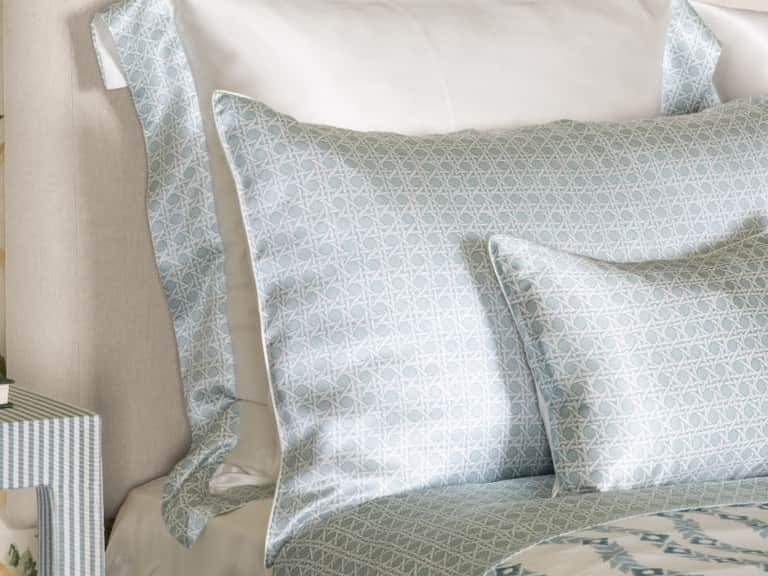
Notable products in this category, such as the Rattan Blue Silk Oxford Pillowcase, illustrate how design, color, and size choices complement bedding setups. Features often include a silky hand feel, refined oxford cuff detailing, and practical care guidance that supports long-lasting performance in bedding ecosystems that include organic mattresses, down pillows, sheets, and other accessories.
 Bedding